Ancient Subterranean Cities Still Defy Explanation
In H.G. Wells Science fiction classic The Time Machine, an evil subterranean race in the future threatens the lives of innocent surface dwellers. But the possible powerful influence of underground worlds is not confined to the distant future. It may represent very important secrets of our ancient past.
The Greeks and Romans believed in Hades, the underworld of the dead. The Egyptians believed in an underworld called the Duat, and the Mayan underworld was Xibalba. In other parts of the world, people traditionally believed that fairies, elves, gnomes, and the like lived underground, often in hollowed-out hills, or in a kind of parallel universe that could be accessed through tunnels or caves.
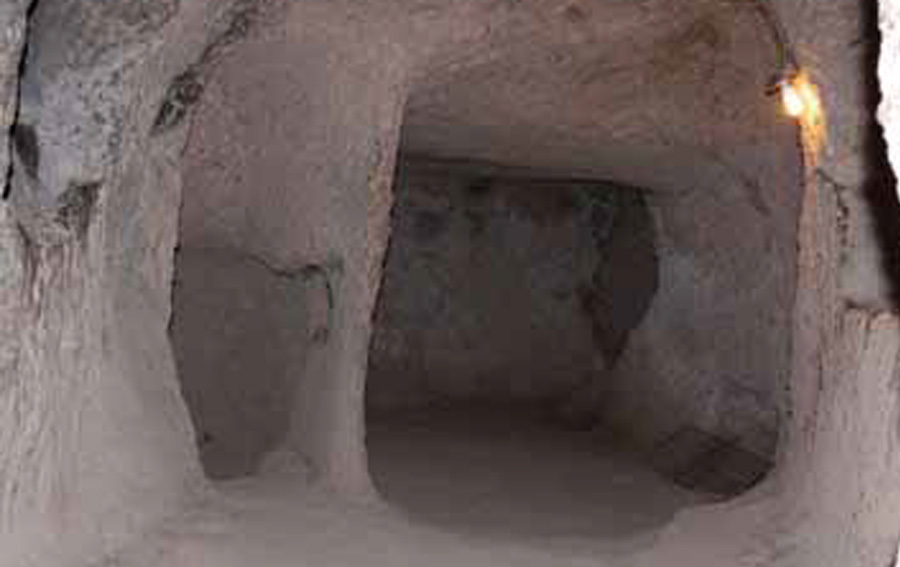
Officials in Turkey’s Cappadocia region now believe the exploration of vast and complex underground cities found in their region is going to lead to the rewriting of human history on Earth. Under intense investigation since their discovery in 2012, the astonishing sites have drawn the attention of archaeologists from around the world. So far, hundreds of underground cities have been reported in Turkey; but few have been adequately explored, and it seems likely that many more wait to be discovered. Recent digging has been under the guidance of archaeologist Semih Istanbulluoglu of Ankara University. In December, 2015, he told Turkey’s Hurriyet Daily News, that scientists believe the underground cities will date back to even before the Hittites in the second millennium BC, but said this remained to be confirmed by the laboratory work.
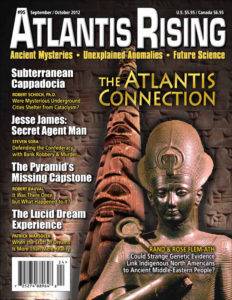
To this day nobody really knows the true extent of these or other underground cities of the area, but they are substantial. In “The Ancient Subterranean Shelters of Cappadocia.” (AR #95, September/October, 2012), Boston University geologist Robert Schoch, described two of the cities, “Kaymakli consists of at least eight floors or underground stories, each extending in a labyrinthine manner over a vast area. The city may have supported a population of 3,000 to 4,000 people plus farm animals and supplies, all housed underground.” Derinkuyu, Schoch continued, “with an estimated twenty floors and extending an estimated 85 meters (280 feet) below the surface may have supported anywhere from a few thousand to 10,000 people plus their livestock and goods. And the underground cities may not have been entirely isolated from one another. Kaymakli and Derinkuyu are less than a dozen kilometers (seven and a half miles) from each other and there are reports of a tunnel that may connect them.”
Cappadocia’s astonishing underground cities, Schoch believes, though probably occupied many times, were originally built around the end of the last ice age about twelve to thirteen thousand years ago.
“The thing that is important to know about the underground,” said Will Hunt, author of the recent book Underground: A Human History of the Worlds Beneath Our Feet (Random House, 2019), “is that we do not belong there. Biologically, physiologically, our bodies are just not designed for life underground.” Nevertheless, when things on the surface get really bad, where are you going to go?